loader image
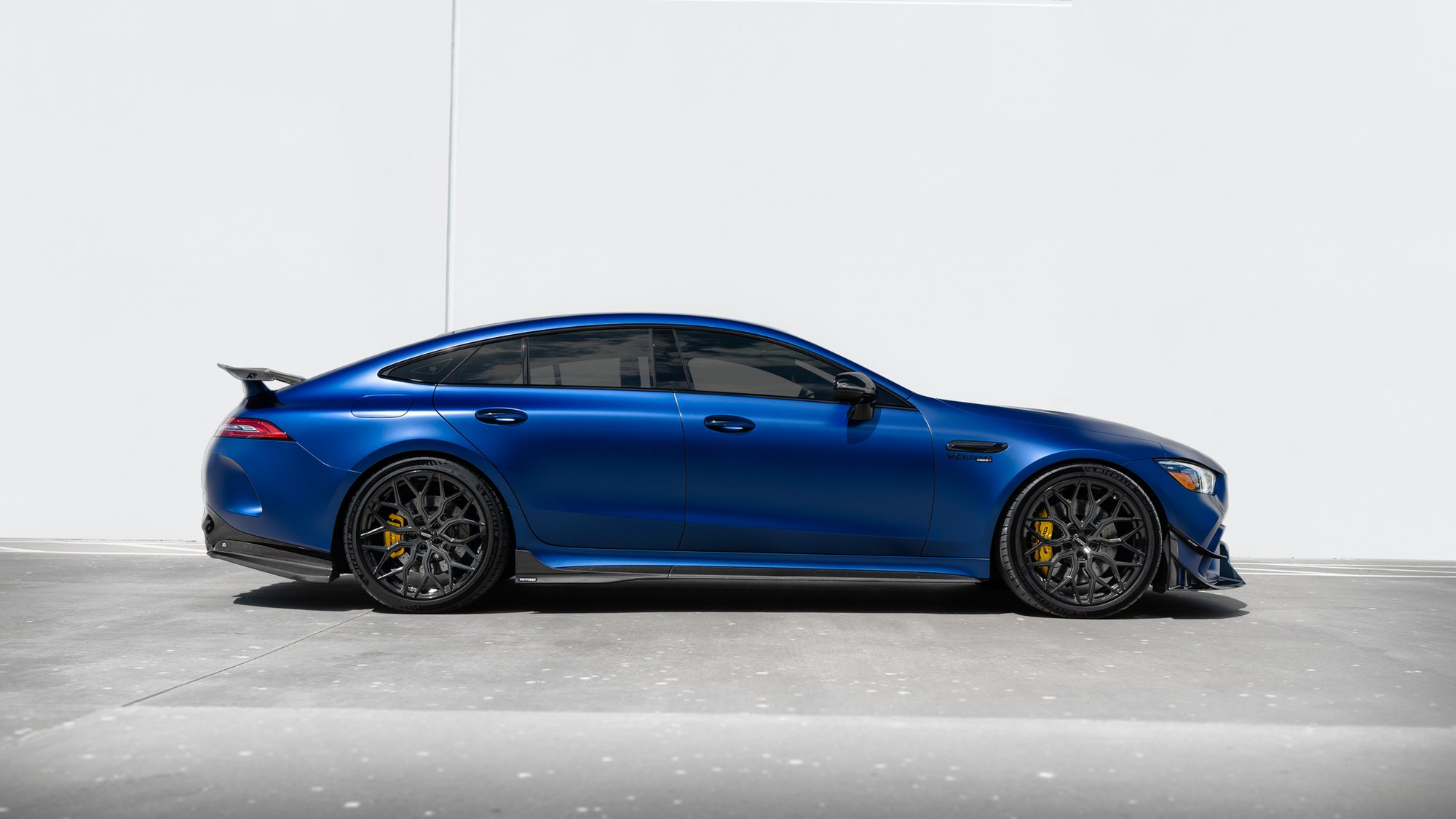
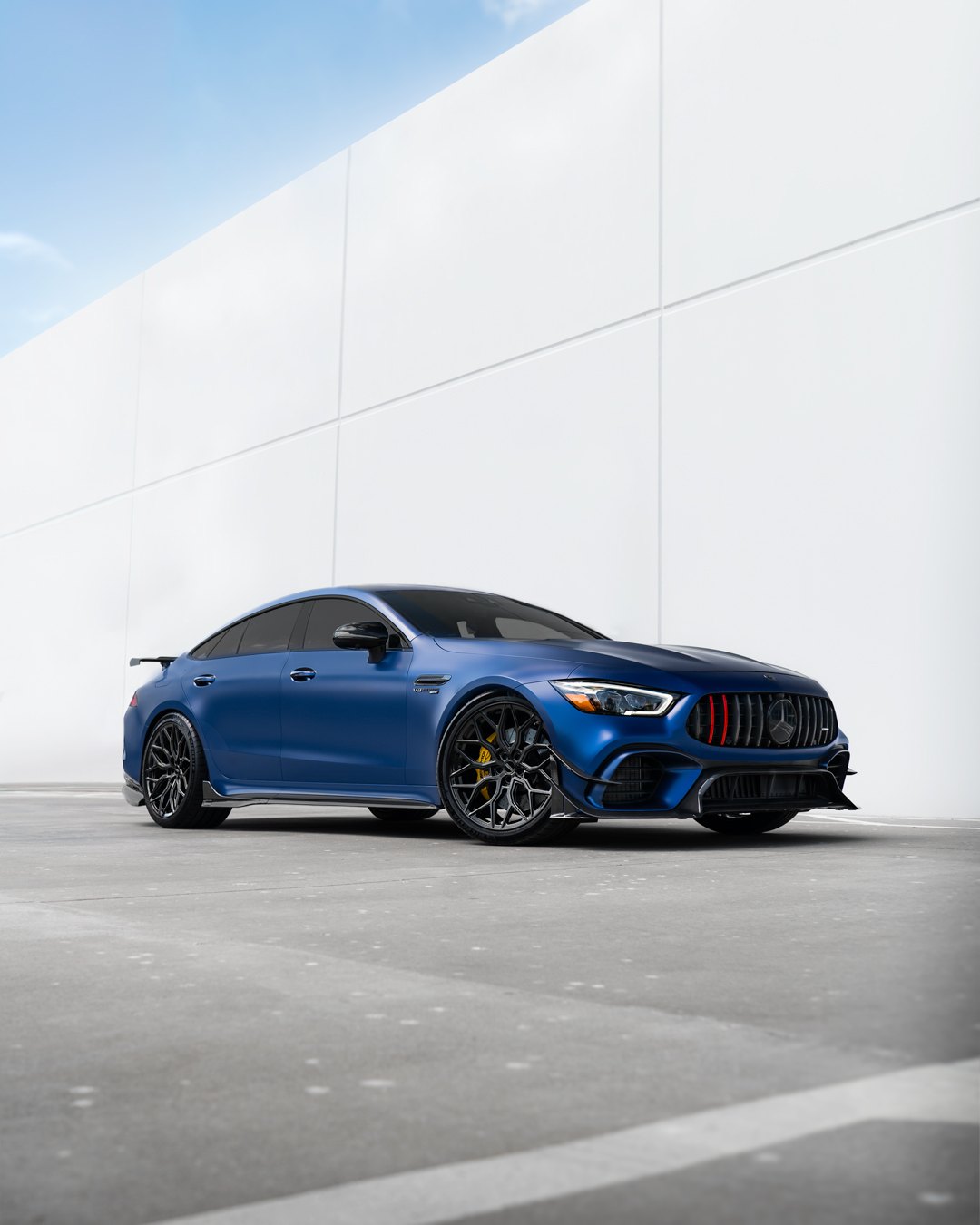
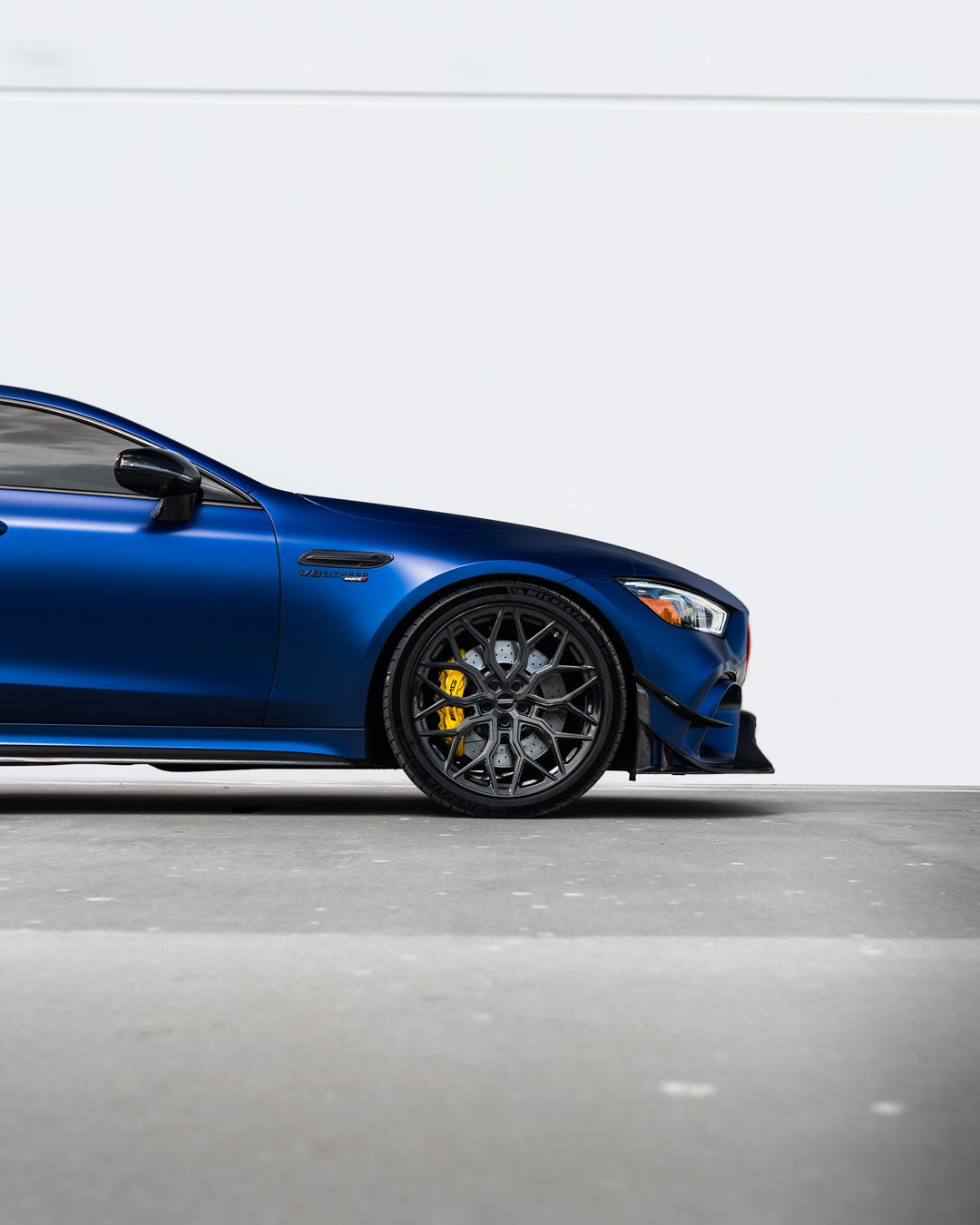
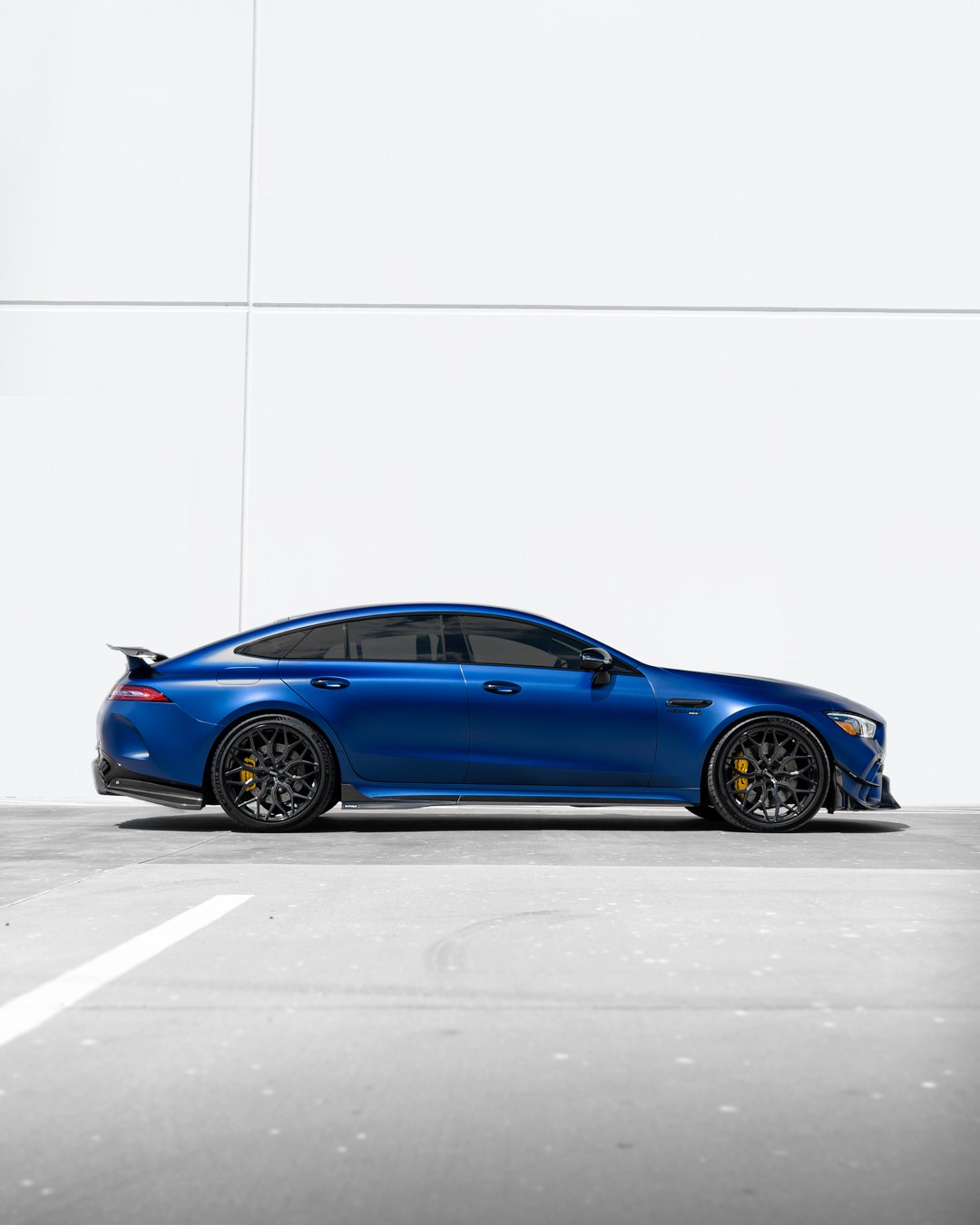
RENNtech Mercedes-AMG GT 63 S 4-Door Coupe in matte blue, side profile

R3 build AMG GT 63 S 4-Door · X290

1017Horsepower

Four doors, four seats, and 873 lb-ft at the crank

1,017 HPAt the crank on 100 octane
873 LB-FTPeak torque, RENNtech rated
+336 HPOver the standard GT 63 S
R3 with Stage II turbos

630 was
the starting line.

Mercedes-AMG rates the GT 63 S at 630 horsepower. On our own dyno a standard car makes rather more than that. Either way, it was never the ceiling.

The M177 is a strong engine wrapped in conservative limits: limits in the ECU, limits in the CPC unit, limits in the gearbox controller, and limits in how much air the standard turbochargers can move. Lift one of those and the others pull the car straight back down. Lift all of them, in the right order, with the hardware to support it, and the number changes completely.

That is what the R3 package does, and it is why this car runs Stage II turbochargers rather than a larger exhaust and a hopeful file. The turbos, the fuel system, the calibration and the exhaust were all developed in the same building, on the same dyno, for the same engine.

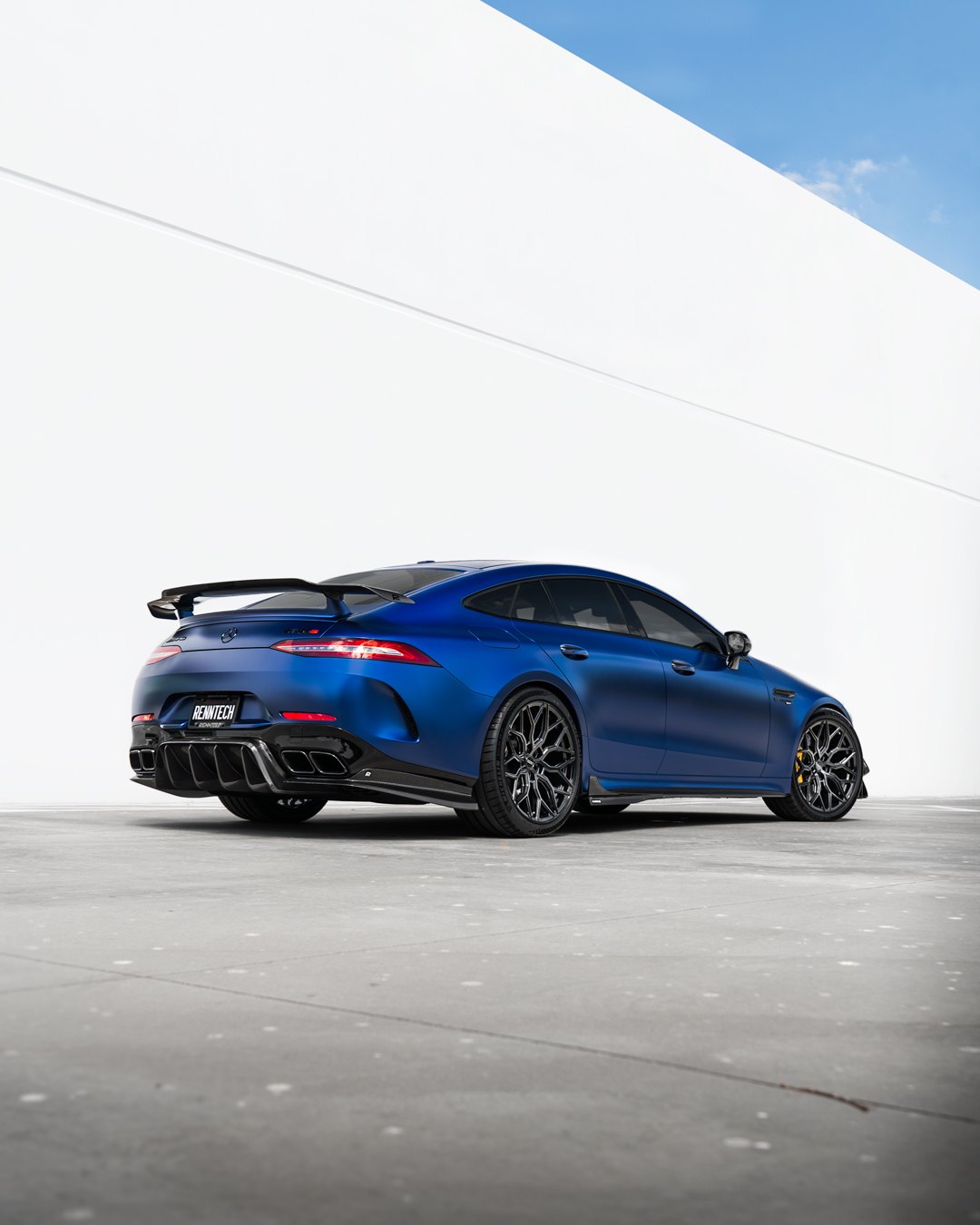
Mercedes-AMG GT 63 S 4-Door Coupe, X290

M177 4.0 liter V8 BiTurbo, 4MATIC+

RENNtech R3 package with Stage II turbo upgrade

ECU, CPC and TCU calibration, uprated fuel system

Carbon fiber airboxes, downpipes and sport mufflers

What the R packages are
The numbers

Stage by stage.

Every figure below is at the crank, from RENNtech dyno testing on the M177 in the X290. Gains are measured against the standard car as we measured it, not against the brochure.

SpecificationHorsepowerHP gainTorqueTorque gain
Factory rating, Mercedes-AMG630 hp—664 lb-ft—
Standard car, our dyno681 hp—736 lb-ft—
RENNtech ECU upgrade773 hp+92 hp778 lb-ft+42 lb-ft
RENNtech R3 package875 hp+194 hp871 lb-ft+135 lb-ft
R3 with Stage II turbosThis car1,017 hp+336 hp873 lb-ft+137 lb-ft

The 1,017 hp figure requires 100 octane fuel. On 93 octane the same build makes up to 965 hp and 817 lb-ft. 93 octane or better is mandatory. Crank figures are calculated with a 16 percent drivetrain loss on 4MATIC+ cars, and real output depends on fuel quality, altitude, ambient temperature and the condition of the car.

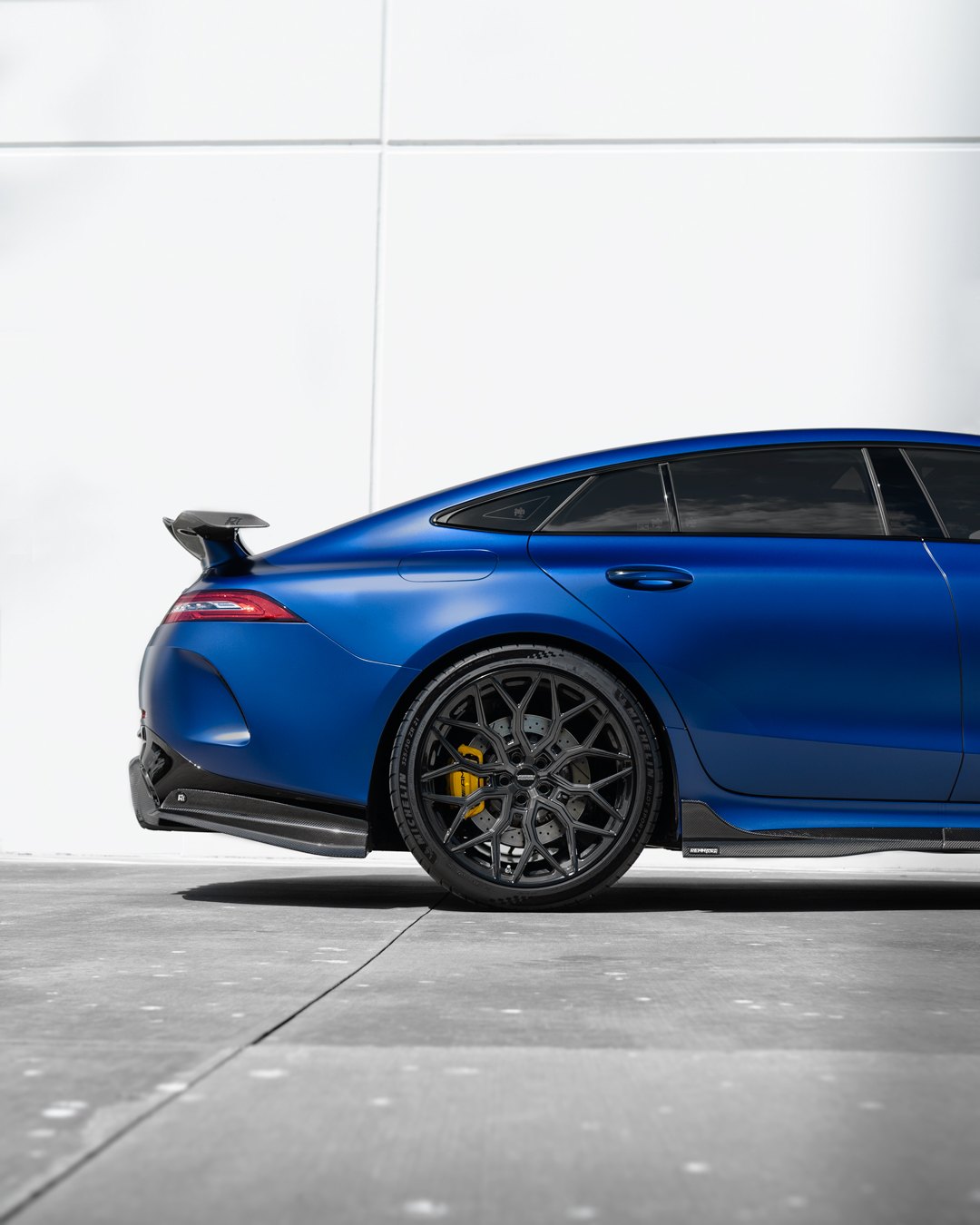
RENNtech forged wheel and carbon fiber side skirt on the Mercedes-AMG GT 63 S X290

The turbochargers

Stage II.
Twin scroll.

Larger, lightweight forged billet inducer and exducer wheels on a bigger, stronger cartridge shaft, running in precision-machined impeller and turbine housings. Every cartridge assembly is fine-balanced before it goes near an engine.

They use the OEM oil and coolant lines, so nothing in the engine bay has to be improvised, and they are designed around the rest of the R3 package rather than sold as a part in isolation.

Air in, air out

Nothing in
the way.

Carbon fiber airboxes, considerably larger than standard, with over thirty percent more filter area, feeding BMC filters. At the other end, 304 stainless downpipes with 200-cell sport catalytic converters cut back pressure and let the turbos spool earlier.

The stainless sport mufflers use 2¾ inch tubing, weigh less than the factory items and still work with the AMG exhaust valves in every drive mode. Quiet when you need it to be.

Specification

What is
actually on it.

Each RENNtech part below links straight to its page in our store.

Engine & boost

  • M177 4.0 liter V8 BiTurbo
  • RENNtech Stage II twin-scroll turbochargers
  • Forged billet inducer and exducer wheels
  • Larger, stronger cartridge shaft
  • Fine-balanced cartridge assembly
  • Precision-machined impeller and turbine housings
  • Runs the OEM oil and coolant lines

Calibration

  • RENNtech R3 package
  • ECU upgrade, stock file stored on the module
  • CPC upgrade, raised torque limits
  • TCU upgrade, higher clutch pressure
  • Faster shifts, matched to the turbos
  • Developed on the RENNtech dyno

Fuel & induction

  • RENNtech fuel system upgrade
  • Increased flow and pressure for the turbos
  • RENNtech carbon fiber airboxes
  • Over 30 percent more filter area than standard
  • BMC air filters
  • Blow-off valves

The car

  • Mercedes-AMG GT 63 S 4-Door Coupe
  • Chassis X290
  • AMG Performance 4MATIC+ all-wheel drive
  • AMG SPEEDSHIFT MCT 9G
  • 93 octane minimum, 100 octane for peak output
  • Built at RENNtech, Stuart, Florida
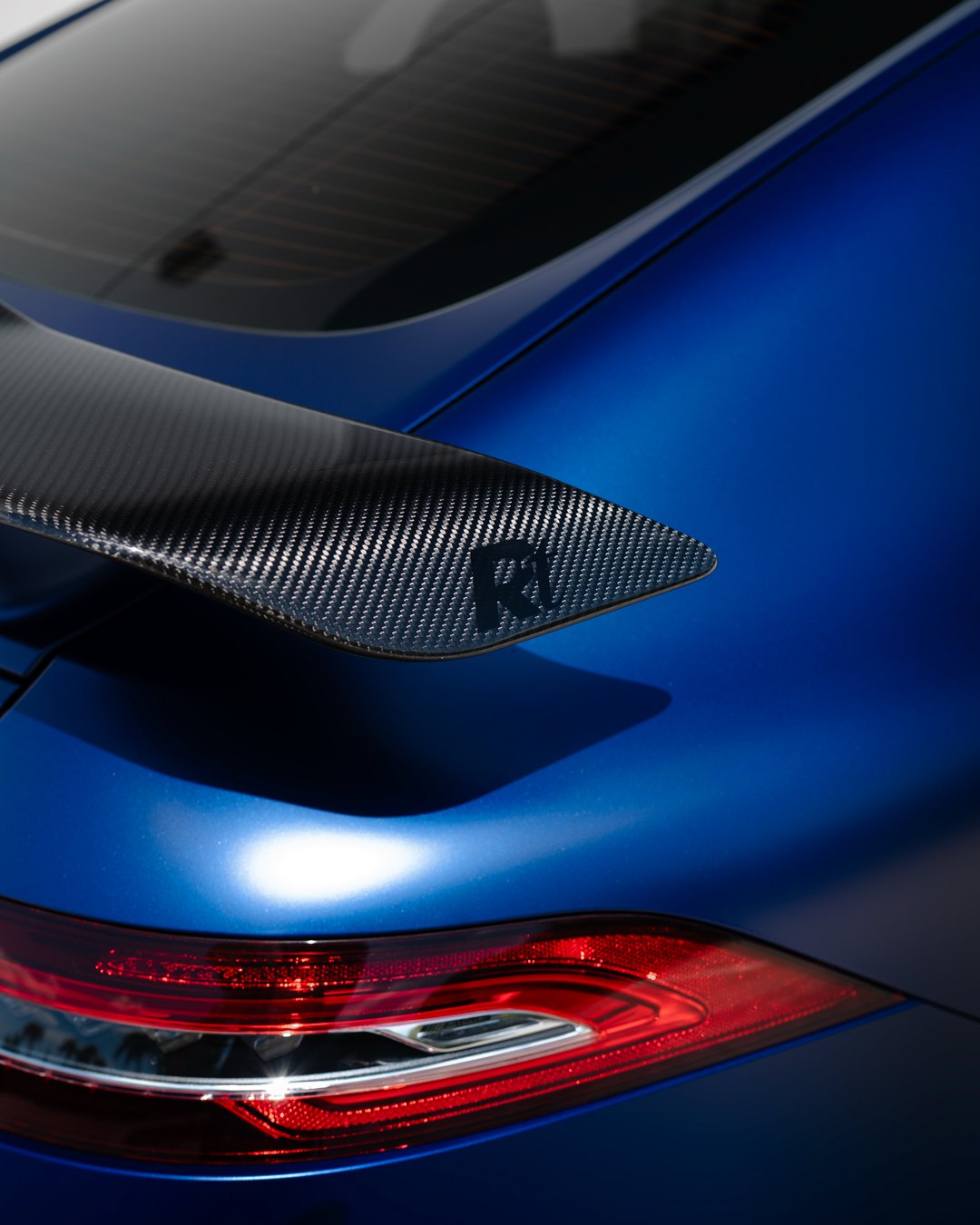
RENNtech carbon fiber rear wing endplate on the AMG GT 63 S 4-Door CoupeShop the rear wing
Carbon fiber rear wingX290 4-Door Coupe
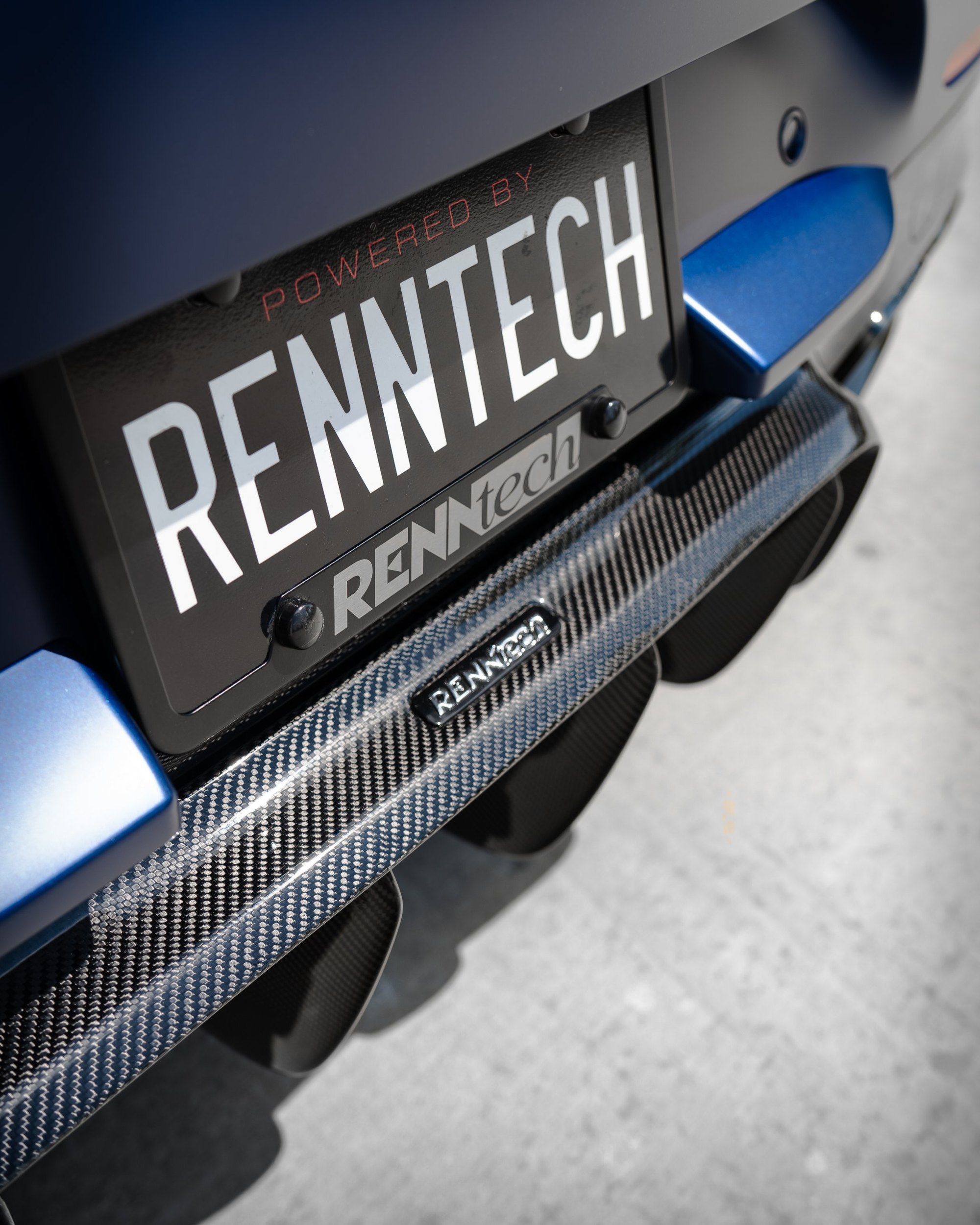
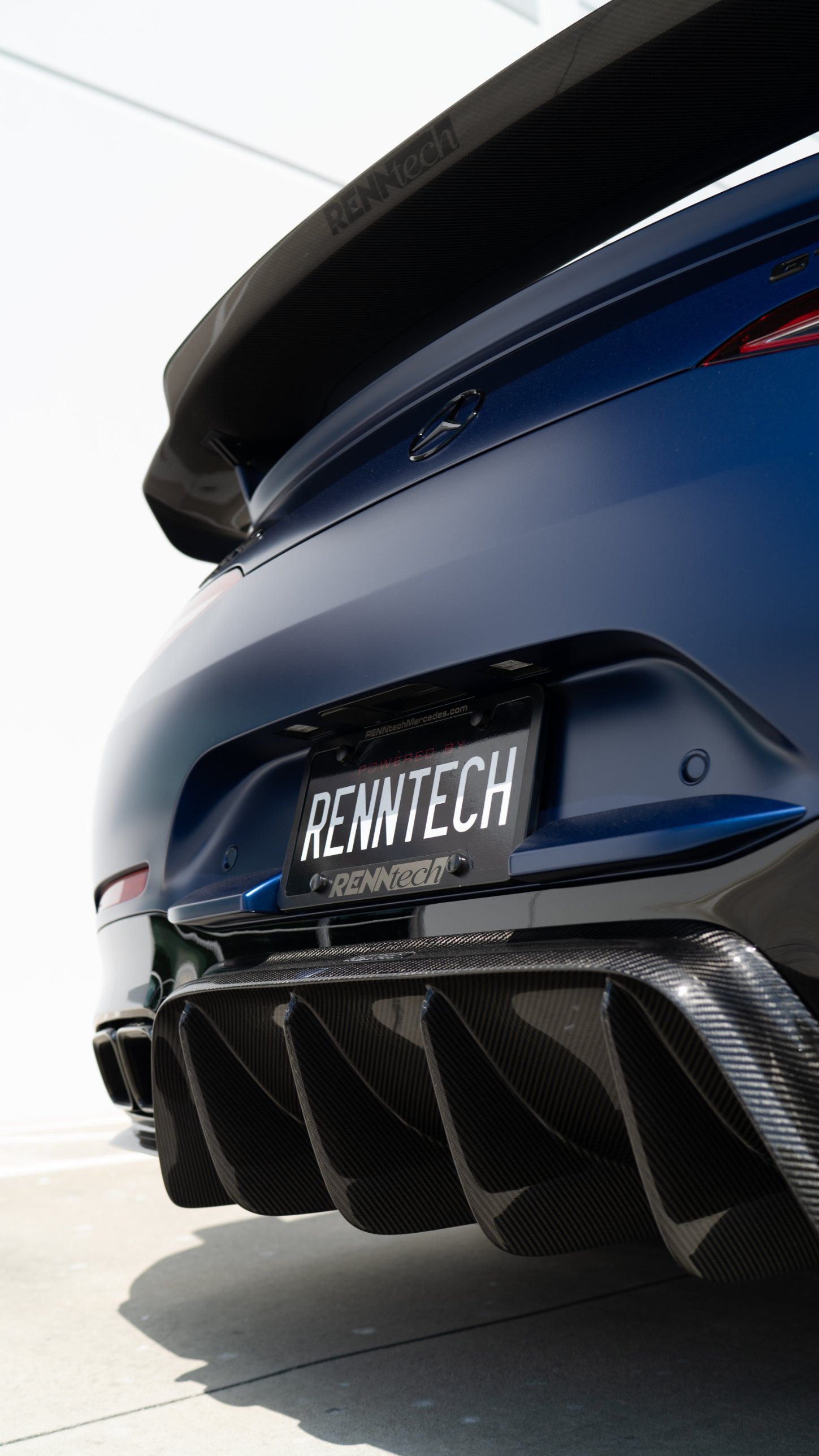
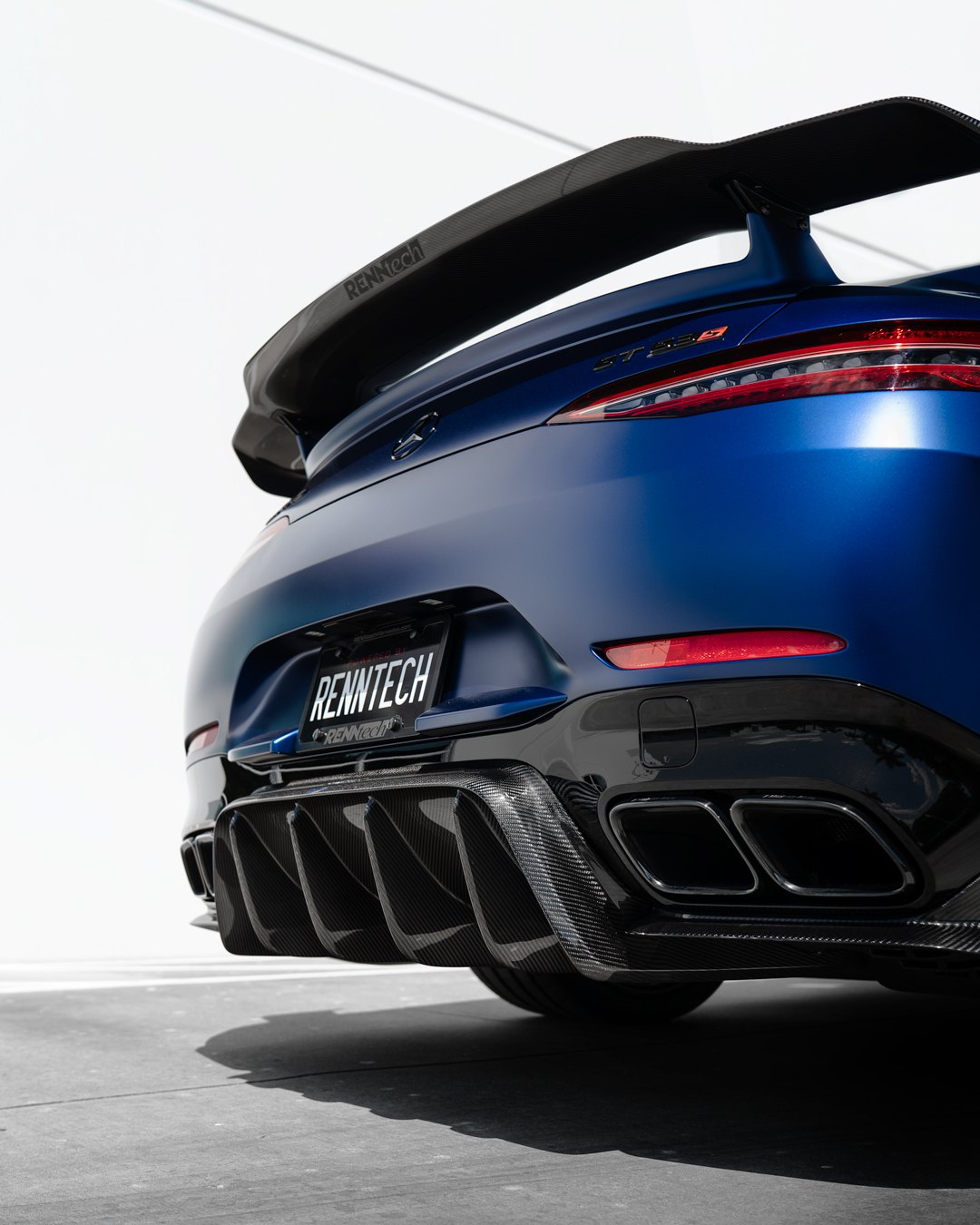
RENNtech carbon fiber rear diffuser on the Mercedes-AMG GT 63 S X290Shop the diffuser
Carbon fiber diffuserGloss finish

Tunes above approximately 850 hp are strongly recommended to run RENNtech connecting rods. We will raise it with you before you order, not afterwards.

The car

Every angle.

Questions

Before you
order a turbo kit.

A long way past what it leaves the factory with. Mercedes-AMG rates the GT 63 S at 630 hp and 664 lb-ft. On our own dyno a standard car peaks at 681 hp and 736 lb-ft. The RENNtech ECU upgrade alone takes that to 773 hp. The R3 package reaches 875 hp and 871 lb-ft. Add the Stage II turbo upgrade on top of R3, which is what this car runs, and the figure is up to 1,017 hp and 873 lb-ft at the crank on 100 octane, or up to 965 hp and 817 lb-ft on 93.

For most owners the ECU upgrade is enough, and it is the best value step on the car by a long way: around 92 hp with no hardware changes, fully reversible, and the stock file stored on the module so you can flash back before a dealer visit. The turbos are for the owners who want the car to be genuinely unusual. They are not a bolt-on; everything around them has to be upgraded with them, which is exactly why they are sold as part of a package rather than as a part.

Because the engine is not the only thing holding the car back. The CPC unit places its own torque limits on the drivetrain, and if you leave it standard it will simply pull the extra torque back out again the moment the ECU asks for it. The RENNtech CPC upgrade raises those limits so the engine is allowed to deliver what the calibration is asking for. The TCU upgrade does the same job for the gearbox: higher clutch torque limits, higher clutch pressure and faster shifts, matched to the output of the turbos.

93 octane or better is mandatory, not a recommendation. The peak figure of 1,017 hp is reached on 100 octane; on 93 the calibration backs off to a still considerable 965 hp. If you live somewhere with known poor fuel quality we supply a lower-power setup rather than pretend the problem does not exist, and race fuel calibrations are available on request.

Above roughly 850 hp we strongly recommend replacing the connecting rods with the stronger RENNtech version. We would rather tell you that before you order than after. It is the difference between a thousand-horsepower car you drive and a thousand-horsepower car you worry about.

That is the point of doing it this way. The ECU, CPC and TCU are calibrated together on our own dyno, the mufflers work with the factory exhaust valves in every drive mode, and nothing in the package asks you to accept a cold-start routine or a flat spot in traffic. It is a GT 63 S that happens to have another 336 hp.

Start where
it makes sense.

Not everyone needs a thousand horsepower. Tell us what the car is for and we will tell you honestly which stage to start at, even when the answer is the cheapest one.